
With the prevalence of cyberattacks on companies of all sizes these days, businesses cannot afford to relegate cybersecurity to the bottom of their budget priorities. When it comes to cybersecurity, even small businesses should partner with a managed IT services provider (MSP). Here’s why it's crucial to partner with an MSP that can implement robust cybersecurity solutions for your business.
Your business’s cybersecurity needs an MSP
Exciting new features in the Windows 10 October 2020 Update
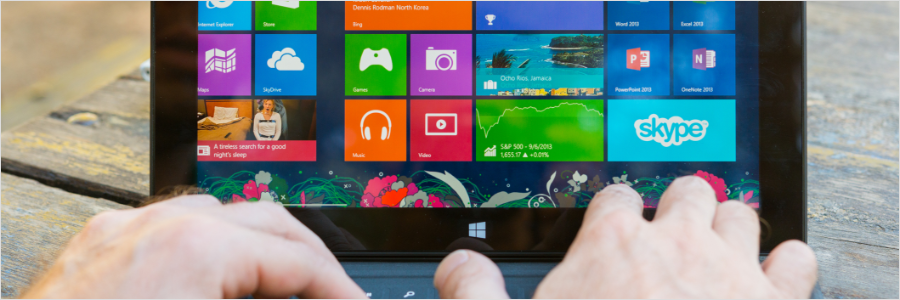
In the past few weeks, Microsoft has rolled out the Windows 10 October 2020 Update. Also known as Windows 10 version 20H2, the latest update to the popular operating system brings a wealth of useful new features designed to improve your PC’s functionality and performance, as well as your overall experience.
What an MSP can do for healthcare providers

More and more healthcare organizations are turning to managed services providers (MSPs) for their IT needs. The outsourced technology support model lets hospitals and clinics focus on being healthcare providers rather than IT professionals learning on the fly.
What’s new in the Microsoft 365 Apps admin center

The shift to remote work has not been easy, especially for IT administrators. After all, they’re in charge of supervising and securing workflows, devices, and software to ensure optimal user experience and to keep cyberthreats at bay. They are also expected to deploy IT solutions that are within budget so that costs don’t run amuck.
Benefits of hybrid clouds for SMBs

Cloud solutions today are more secure, flexible, and cost-effective than ever before, which is why they have become indispensable for many small- and medium-sized businesses (SMBs). And thanks to hybrid cloud solutions, SMBs have access to even more agile computing resources.
The pitfalls of business continuity planning

If your managed IT services provider has been using the same business continuity plan (BCP) for years, your organization may be in trouble. BCPs should continuously be updated so you avoid overlooking or underestimating certain issues. Not updating your BCP is just one mistake that can harm your business.
Windows 10 makes backing up files easy
To any business, ransomware means trouble. From operational disruption and revenue loss to total shutdown, it spares no aspect of the company. That’s why it’s wise to regularly back up your business data in multiple locations, including the cloud.
How to be proactive with your cyber defenses

It is good to have an IT team and/or a third-party partner like a managed services provider (MSP) that helps keep your company protected against cyberthreats. It is even better to have all stakeholders be involved in preventing data breaches. Here’s how everyone can be proactive when it comes to cybersecurity.
5 Best practices for securing PHI

Protected health information (PHI) includes personal, medical, and financial information, as well as other data created or used when a patient sought and received healthcare services. Due to the sensitive nature of PHI, it is highly valuable to hackers — and this is why your healthcare organization must do everything possible to protect any PHI data it handles.
Microsoft 365 features that prevent phishing

Over the years, Microsoft has built a reputation as a provider of powerful and intuitive tools that enhance efficiency and productivity. The company is also continuously taking steps to protect their users from today’s top cyberthreats. A great example of this is Microsoft 365, which is well equipped to combat phishing scams.