While the term “hacker” often dominates cybersecurity conversations, it’s crucial to recognize that not all hackers share the same motivations. Some exploit vulnerabilities, others help organizations fix them, and some fall somewhere in between.
Microsoft Teams connects employees and information in one place, but that convenience also means security matters more than ever. Follow these steps to better protect data, manage permissions, and monitor activity within Teams.
Carefully manage third-party apps
Microsoft Teams allows organizations to add various third-party applications to expand its functionality.
Disaster recovery isn’t just an IT checklist item — it’s a business survival strategy. This article breaks down persistent myths and outlines what leaders need to know to safeguard operations against unexpected disruptions.
When business leaders think about disaster recovery (DR), the conversation often centers on backups.
If your Windows PC feels slower than it used to, fragmented files could be part of the problem. Learn how disk defragmentation works, when it’s necessary, and how it can help restore performance and stability.
We expect our computers to respond instantly — apps should launch quickly, files should open without delay, and the system shouldn’t freeze at the worst possible moment.
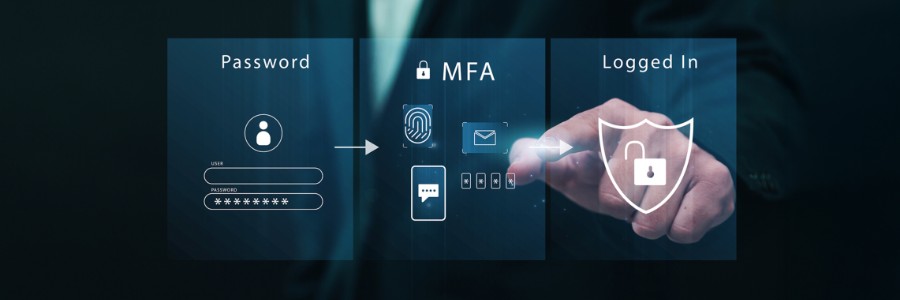
Multifactor authentication (MFA) works by requiring users to provide more than one form of identification when logging into a system or account. This extra layer of security is meant to prevent unauthorized access and protect sensitive information. However, while MFA may seem like a foolproof solution, it actually has its own set of vulnerabilities that can be exploited by cybercriminals.